Map the job geometry first
- Can the generator or tower sit below and away from the work area, or does it need to be adjacent to the task? Longer cable or light throw can reduce congestion in busy yards but requires clear routing that won’t be driven over by trucks.
- Is the surface compacted caliche, uneven parking lot gravel, or finished slab? Stable footing narrows the choice between larger rough-terrain bases and smaller slab-oriented footprints.
- How long must you run? Long shifts at industrial sites and local distribution buildings push toward larger fuel capacity or parallel units.
Odessa conditions that influence the category
- High ambient heat: Ventilation clearance and unobstructed intake/exhaust paths matter when equipment runs all day. Crowding a unit among materials or walls reduces airflow and can limit performance.
- Dust and fine aggregate: Expect abrasive dust around laydown yards. Cleaner intake paths and separation from wheel ruts help reduce clogging risk over long runtimes.
- Windy periods: Outdoor light towers and temporary power setups are subject to the selected unit’s instructions and site procedures. Placement, ground stability, and exposure in open yards should be reviewed against those documents.
Narrowing generator options
- Power profile: Identify starting loads for compressors or pumps versus steady loads for lights or small tools. Spikes favor units sized with additional headroom.
- Distribution: If you must feed multiple circuits across a spread-out site, note cord lengths, traffic crossings, and any need to separate “clean” tool power from lighting.
- Access route: If the only path is over rutted caliche, a trailer-mounted unit with higher ground clearance may stage more reliably than a compact skid.
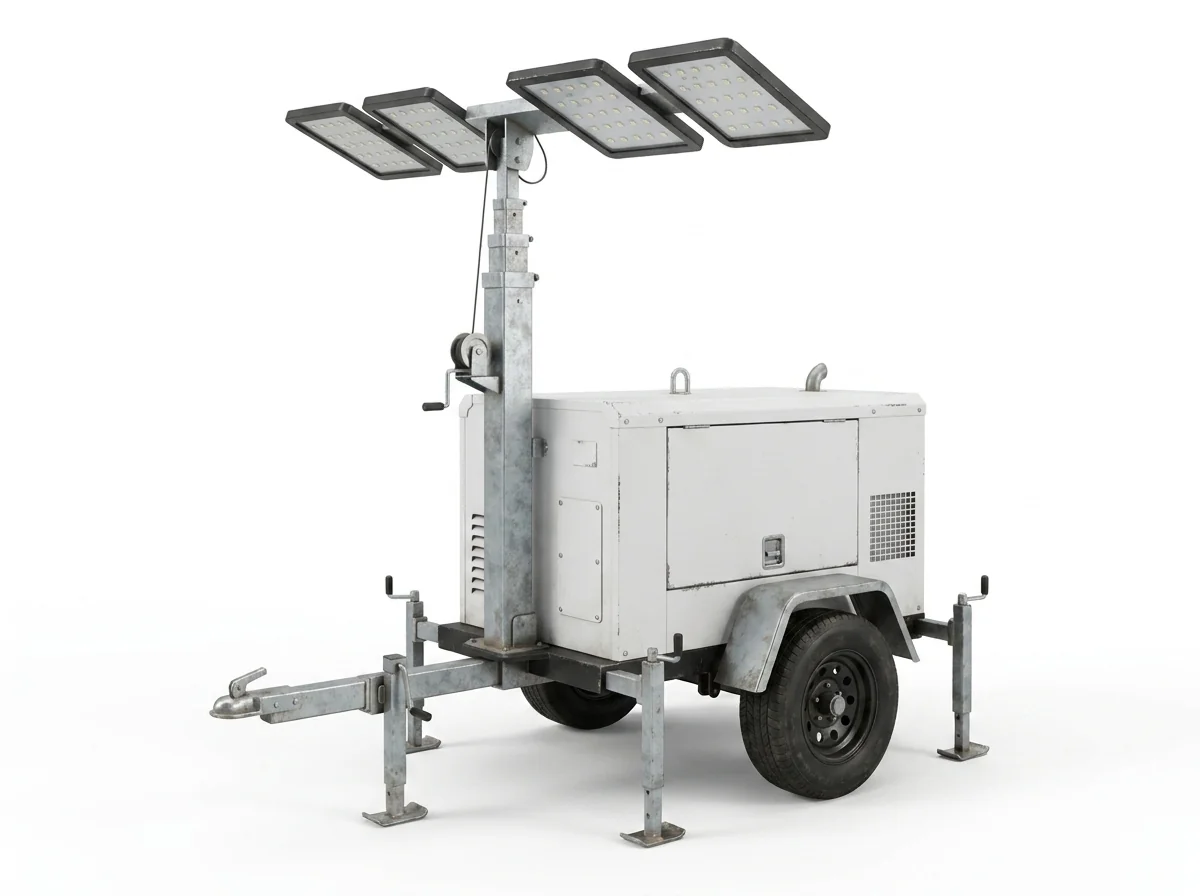
Light tower considerations in West Texas yards
- Coverage shape: Open laydown areas favor higher masts and wider beam patterns; tight service pads around equipment may need shorter masts with directed fixtures to control glare.
- Duty cycle: Overnight maintenance windows point to larger fuel tanks and efficient fixtures to reduce refueling interruptions.
- Staging and refueling: Plan a refuel lane that avoids the main forklift route and keeps cords and hoses out of turning radii.
Related categories
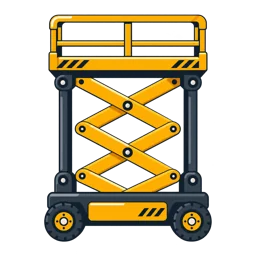
For elevated repairs under installed lighting, compare platform access on: - Electric for smooth indoor slab: /electric-scissor-lift-rental/ - Rough-terrain for uneven yards: /rough-terrain-scissor-lift-rental/ - High-reach tasks: /boom-lift-rental/ and /articulating-boom-lift-rental/