Define the controlled zones
- Separate pedestrian walkways from forklift and telehandler arcs around loading areas.
- Establish setbacks from aerial work zones so barricades don’t reduce the safe buffer beneath a scissor or boom.
- Identify emergency access lanes that must remain clear during shift changes and deliveries.
Ground and weather factors around Odessa
- Surfaces vary from compacted caliche to asphalt patches and concrete slabs. Panel base choice and site-stability factors needs change with each.
- Open exposure means gusty periods. The selected system’s instructions and site procedures govern maximum exposure and site-stability planning approaches; plan panel spacing and lane orientation accordingly.
- Dust and visibility: Bright, dusty afternoons can reduce contrast. High-visibility barricade options and clear sightlines at turns help drivers and pedestrians read the layout sooner.
Choosing panels, gates, and barricades
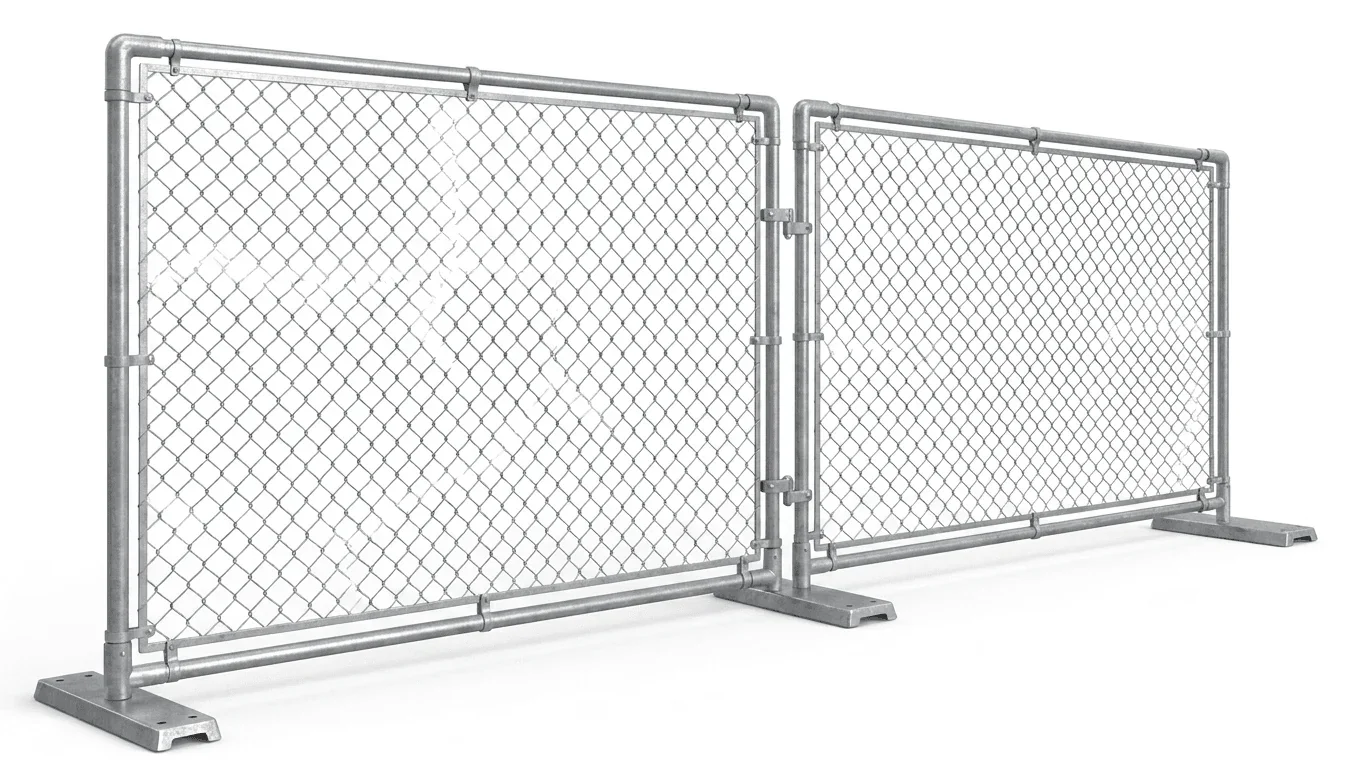
- Panels for long perimeters around industrial pads and laydown yards; note gate widths for tractor-trailers and lift deliveries.
- Water-filled or weighted barricades for channeling traffic in distribution parking lots and staging zones.
- Compact barricades for short-term maintenance at institutional facilities where access must pivot quickly between tasks.
Layout that respects lift operations
- Keep panel feet and barricade bases outside turning radii for forklifts.
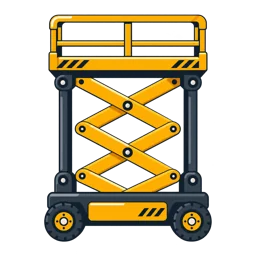
- Plan overhead work buffers for /electric-scissor-lift-rental/ indoors and /rough-terrain-scissor-lift-rental/ outdoors.
- For high-reach work, verify clearance around /boom-lift-rental/, /articulating-boom-lift-rental/, or /telescopic-boom-lift-rental/ paths so crowd control doesn’t pinch the machine’s tail swing.
Coordination with site products
Lighting and power near access points often rely on: - /generators-light-towers-rental/ - Storage for cones and signage: /storage-containers-rental/