Site layout and approach
- Access width and turning radius control delivery options. Tight approaches near industrial pads can limit longer boxes.
- Grade and surface type matter. Containers settle differently on compacted caliche versus concrete; plan for level placement where doors must swing freely.
- Traffic pattern: Keep forklift aisles and telehandler arcs in mind so the container does not intrude on lift staging or refueling lanes.
Odessa-specific considerations
- Heat and sun: Prolonged sun exposure can elevate internal temperatures. Orientation and shade from nearby structures may help manage interior conditions for sensitive materials.
- Dust: Fine particulate common in local yards works into door gear and stored items. Door end positioning and basic separation from high-traffic ruts can reduce exposure.
- Mixed operations: On sites where scissor lifts or booms work nearby, door swing and people flow should not conflict with aerial equipment movement.
Container type and size
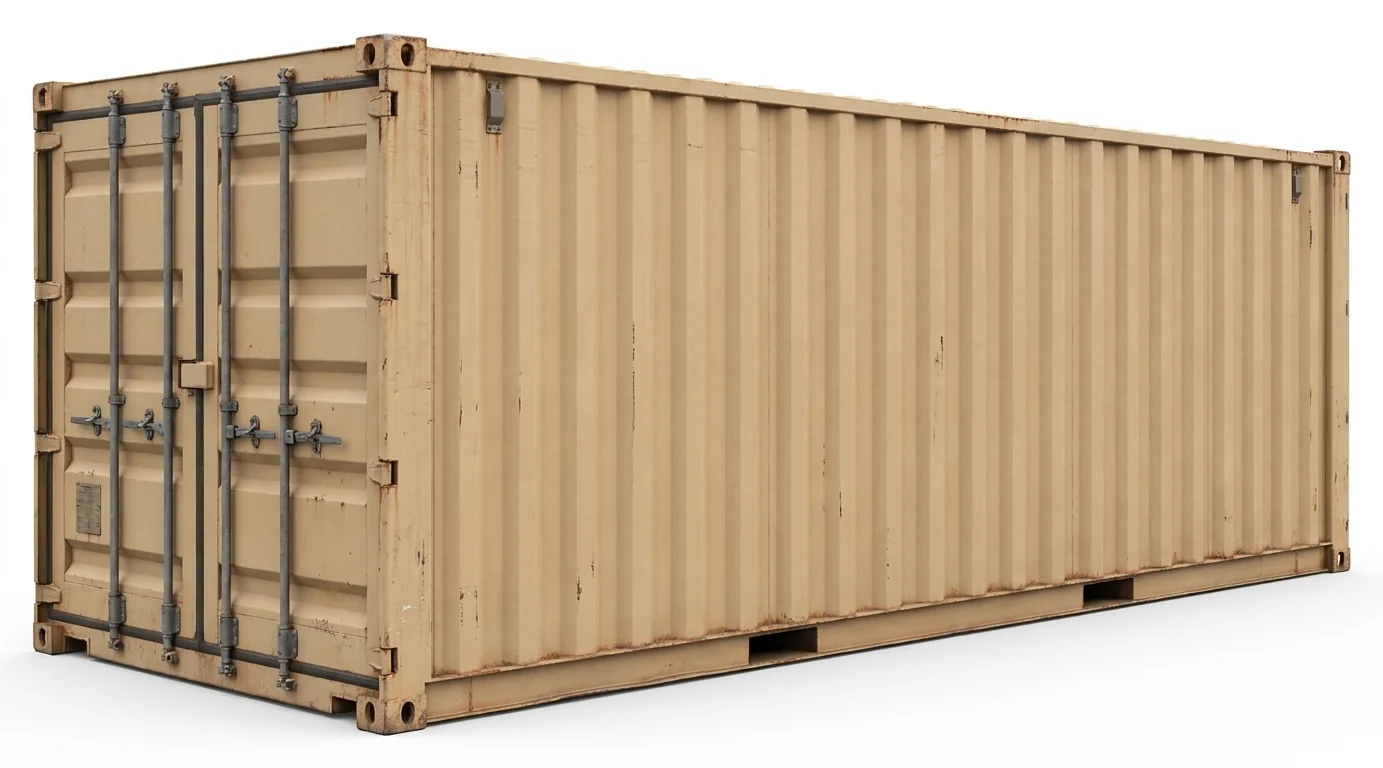
- Standard boxes for general tools and parts when frequent access is expected.
- High-cube options when racking or taller equipment needs clearance.
- Shorter lengths for tight approaches at service facilities; longer lengths where distribution buildings offer straight, stable slab.
Placement details that narrow choices
- Ground bearing: Soft spots along the I-20 corridor yards can appear after moisture; note any areas that rut under truck traffic.
- Security features vary. If the unit sits far from constant activity, prioritize door hardware that tolerates dust and repeated cycles.
- Proximity to power: If lights or small dehumidifiers will be used inside, account for cord management that won’t cross busy lanes.
Related categories
Material handling near containers often involves: - /forklift-rental/ - /telehandler-rental/ - For overhead maintenance near stored parts: /vertical-mast-lift-rental/ and /electric-scissor-lift-rental/